.svg)
Music Makes You Confident
Performance is one of the most powerful sources of confidence building for children.
- McPherson and McCormick, Psychology of Music
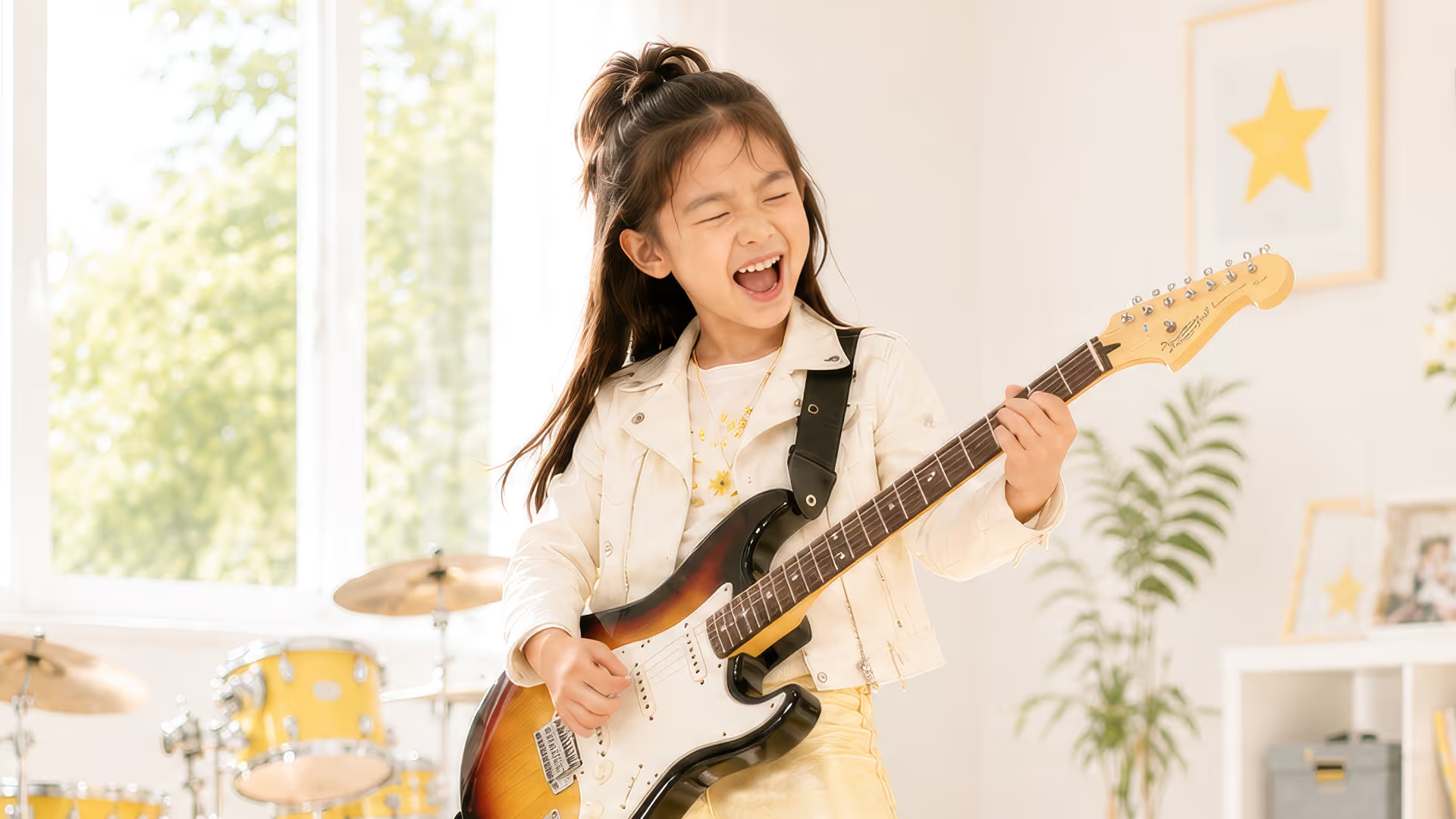
Build Confidence & Character
Music helps children grow not only in skill, but in mindset, confidence, resilience, and emotional maturity.
One of the most meaningful benefits of learning music is how it shapes the way children approach challenges. Music asks students to try, adjust, practice, and improve over time. That process can help children become more confident, more resilient, and more comfortable working through difficulty with patience and self-belief. Research and reviews in music education consistently link active music learning with gains in self-esteem, emotional skills, motivation, and broader positive development.
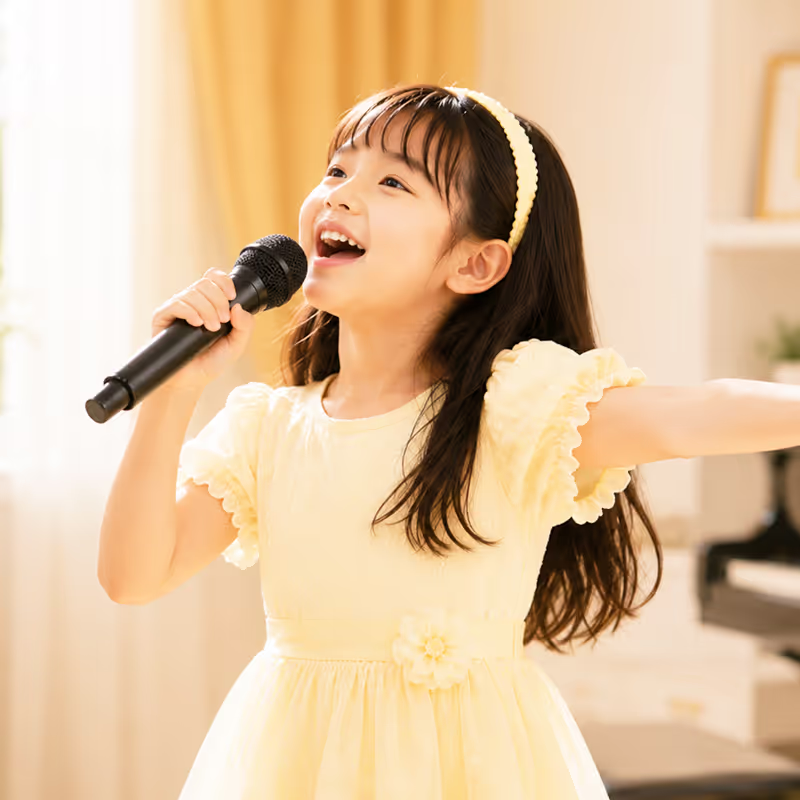

Develops Growth Mindset
Music helps children see that progress comes through effort, feedback, and steady practice.
Music is a powerful environment for developing a growth mindset because it makes improvement visible. Children learn that mistakes are part of progress, that skills take time to build, and that effort leads to mastery. Music training is a clear example of how complex skills are developed through “effortful, mindful and informed practice,” helping students build grit, determination, and self-confidence. Research has found promising evidence that sustained engagement in instrumental music can support overall growth mindset in children.
Builds Self-Confidence
As children develop new skills and see themselves improving, music can help strengthen confidence in a real and lasting way.
Confidence grows when children experience genuine progress. Music gives them repeated opportunities to learn something difficult, improve with practice, and feel proud of what they can do. Research has shown that ensemble music-making helps students gain confidence because each child’s contribution matters, while a long-term piano instruction study found a positive effect on children’s self-esteem. Together, these findings support a simple idea parents care about: when children feel capable in music, that confidence can grow with them beyond the lesson.
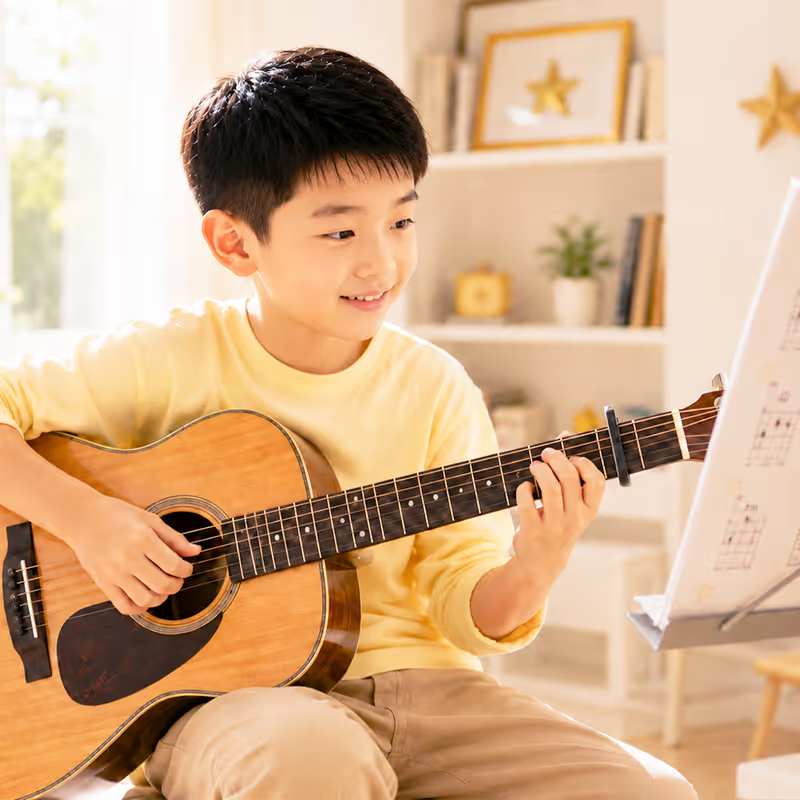
Encourages Perseverance
Music teaches children to keep going through challenge, effort, and slower periods of progress.
Learning music is rarely instant, and that is part of its value. Students often experience quick early gains, slower periods, setbacks, and breakthroughs, all of which teach them how to stay engaged even when something feels difficult. Research explains that pushing through a plateau requires trial and error, reaching out for guidance, and taking risks, and it notes that music helps students stay motivated even during difficult periods because making music is deeply rewarding. For parents, this matters because perseverance is built through repeated experience, not just encouragement.
Improves Emotional Regulation
Music helps children recognise emotions, express them more clearly, and develop greater control over how they respond.
Music is deeply tied to emotion, which is one reason it can support children’s emotional development so well. Research suggests that music helps children understand different emotions and recognise emotion in others, including emotional cues in speech and voice. Broader reviews in music education have similarly found that active engagement with music is linked to the development of emotional skills, while systematic reviews of music-based interventions report benefits for social, emotional, and behavioural difficulties. For parents, the real takeaway is that music can help children become more aware of their feelings and more capable of managing them.

Related Articles
The role of emotional skills in music education
Music supports emotional development by helping children recognize emotions in music and speech. Studies link it to stronger social-emotional skills.

Effects of Three Years of Piano Instruction on Children’s Academic Achievement, School Performance and Self-Esteem
Confidence grows as children see progress. Music lets them master challenges and feel proud. Ensemble playing builds confidence, and piano study boosts self-esteem.
From Our Families
Hear it straight from our parents and students!